
Knee Pain
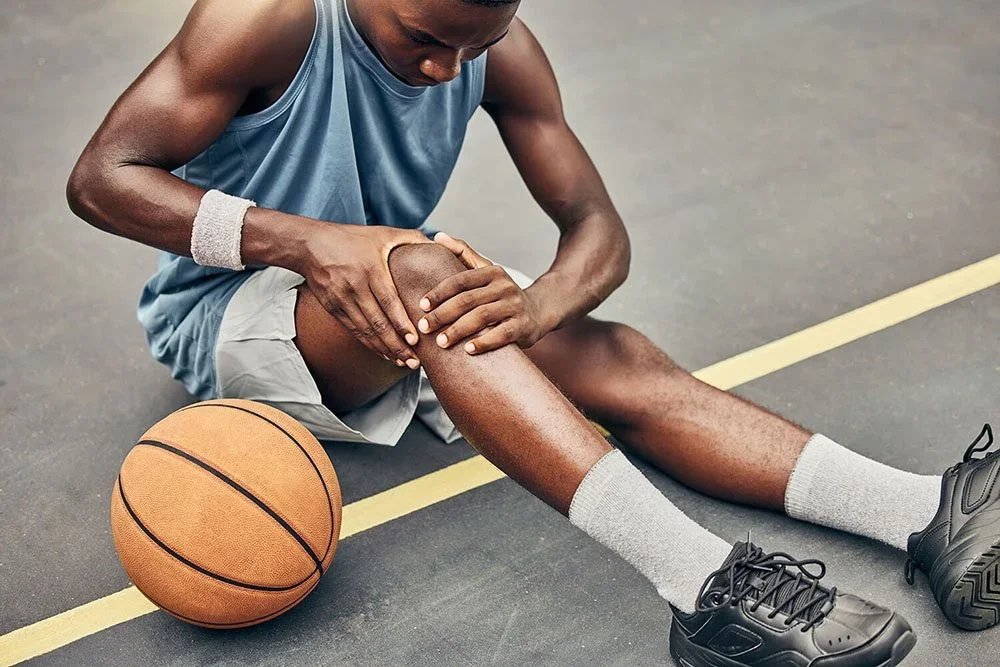
Knee Pain & Injury Treatment in Scottsdale
Your knees absorb significant stress every day. Walking, running, jumping, squatting, climbing stairs, and athletic activity all require the knee to move properly and work together with the hips, ankles, and feet.
When knee pain develops, the source isn't always the knee itself. Changes in hip mobility, foot and ankle mechanics, muscle strength, or movement patterns can all influence how stress is placed on the knee.
At Body Check Chiropractic, Dr. Matt Tanneberg evaluates the knee along with the surrounding joints, muscles, and movement patterns to identify factors that may be contributing to your symptoms. Treatment is then personalized to your specific condition, activity level, and goals.
Common Knee Injuries & Conditions
Knee pain can result from an acute injury, repetitive stress, or gradual changes over time. Common conditions include:
Runner's Knee
Runner's knee, commonly referred to as patellofemoral pain syndrome, involves pain around or behind the kneecap. Despite the name, it can affect runners, athletes, and anyone who regularly performs activities involving repetitive knee bending.
Symptoms may include:
Pain around the kneecap
Pain while running
Discomfort with squatting or stairs
Pain after sitting for extended periods
Knee stiffness
Clicking or popping
Knee Bursitis
Bursae are small fluid-filled sacs that help reduce friction between tissues around a joint. Irritation of these structures can result in bursitis and localized knee pain or swelling.
Knee bursitis can develop from repetitive kneeling, direct impact, overuse, or other forms of irritation.
Meniscus Injuries
The menisci are pieces of cartilage that help cushion and stabilize the knee. A meniscus injury can occur from twisting, pivoting, sports, or degenerative changes.
Symptoms may include:
Knee pain
Swelling
Stiffness
Clicking or catching
Difficulty fully bending or straightening the knee
Pain with twisting or squatting
Patellar Tendon Injuries
The patellar tendon connects the kneecap to the shinbone and plays an important role in jumping, running, and extending the knee. Repetitive loading can contribute to irritation and pain, sometimes referred to as jumper's knee.
Ligament Injuries
The knee contains several important ligaments, including the ACL, PCL, MCL, and LCL. These can be injured through sports, falls, collisions, or sudden changes in direction.
Some ligament injuries require medical or surgical evaluation, while appropriate conservative care may be useful during certain stages of recovery.
IT Band-Related Pain
The iliotibial (IT) band runs along the outside of the thigh and helps stabilize the hip and knee. Repetitive running or cycling can contribute to irritation around the outside of the knee.
Osteoarthritis & Degenerative Knee Pain
Changes in the knee joint over time can contribute to pain, stiffness, and reduced mobility. A personalized approach can focus on maintaining movement, supporting surrounding tissues, and helping you stay active.
Symptoms of Knee Problems
Knee conditions can present in different ways, including:
Pain around or behind the kneecap
Pain on the inside or outside of the knee
Swelling
Stiffness
Reduced range of motion
Clicking or popping
Catching or locking
Pain with running or jumping
Pain with squatting or stairs
A feeling of weakness or instability
How Body Check Chiropractic Can Help
Treatment depends on the cause of your knee pain and the structures involved. Dr. Matt may use one or a combination of therapies based on your individual condition.
Chiropractic Adjustments
Knee, ankle, foot, hip, and pelvic adjustments may help restore motion to restricted joints and improve overall lower-body mechanics. Addressing movement throughout the entire lower extremity can be an important part of managing knee problems.
Myofascial Release
Tension or restriction in the quadriceps, hamstrings, calves, glutes, hip flexors, and other surrounding muscles can influence knee movement. Myofascial release can help address soft tissue restrictions and improve mobility.
Cupping Therapy
Cupping may be incorporated to target muscular tension and soft tissue restriction around the knee, thigh, calf, and surrounding areas.
ARPwave Neuromuscular Therapy
ARPwave uses targeted electrical stimulation to interact with the neuromuscular system. It may be incorporated to support muscle activation, strength, recovery, and function following injury or when muscle dysfunction is contributing to knee problems.
StemWave Shockwave Therapy
For appropriate tendon and soft tissue conditions, StemWave may be incorporated to target areas of persistent pain or tissue dysfunction and support the body's natural recovery response. It may be particularly useful as part of a comprehensive approach to certain overuse-related conditions.
PEMF Therapy
The Zimmer EMfield provides Pulsed Electromagnetic Field therapy and may be incorporated into a recovery program to support circulation and the body's natural recovery processes.
Red Light Therapy
The ARCC Red Light Therapy Bed may be used as an additional recovery therapy. Red and near-infrared light exposure is designed to support cellular function and the body's natural recovery processes.
Cold Plunge Therapy
For athletes and active individuals, cold plunge therapy may be incorporated into a broader recovery routine to help manage exercise-related soreness and support recovery following physical activity.
It's Not Always Just the Knee
The knee sits between the hip and ankle, meaning movement at either end can influence the forces placed on the knee.
Dr. Matt evaluates the entire lower extremity—including the hips, pelvis, ankles, and feet—to identify movement restrictions or muscular imbalances that may be contributing to your symptoms.
This whole-body approach can be especially important for runners, athletes, and active individuals who want to return to their sport and reduce the likelihood of recurring problems.
Personalized Knee Care
Every knee injury is different. Some conditions respond well to conservative care, while others may require imaging, orthopedic evaluation, or surgical consultation.
Dr. Matt takes the time to evaluate your symptoms and determine whether chiropractic and sports therapy are appropriate for your situation. Your treatment plan may combine adjustments, soft tissue therapy, and advanced recovery technologies based on your individual needs.
At Body Check Chiropractic, you'll work directly with Dr. Matt at every visit, rather than being passed between a doctor and technician.
When Knee Pain Requires Further Evaluation
Severe pain following an injury, significant swelling, an obvious deformity, inability to bear weight, or a knee that becomes locked or significantly unstable should be medically evaluated.
If you have persistent pain, recurring swelling, or symptoms that aren't improving, an appropriate evaluation can help determine the cause and the best course of treatment.
If you're looking for knee pain treatment in Scottsdale, Body Check Chiropractic provides personalized chiropractic and sports therapy to help you move better, recover, and stay active.