Kinesiotaping
Kinesiotaping Therapy in Scottsdale
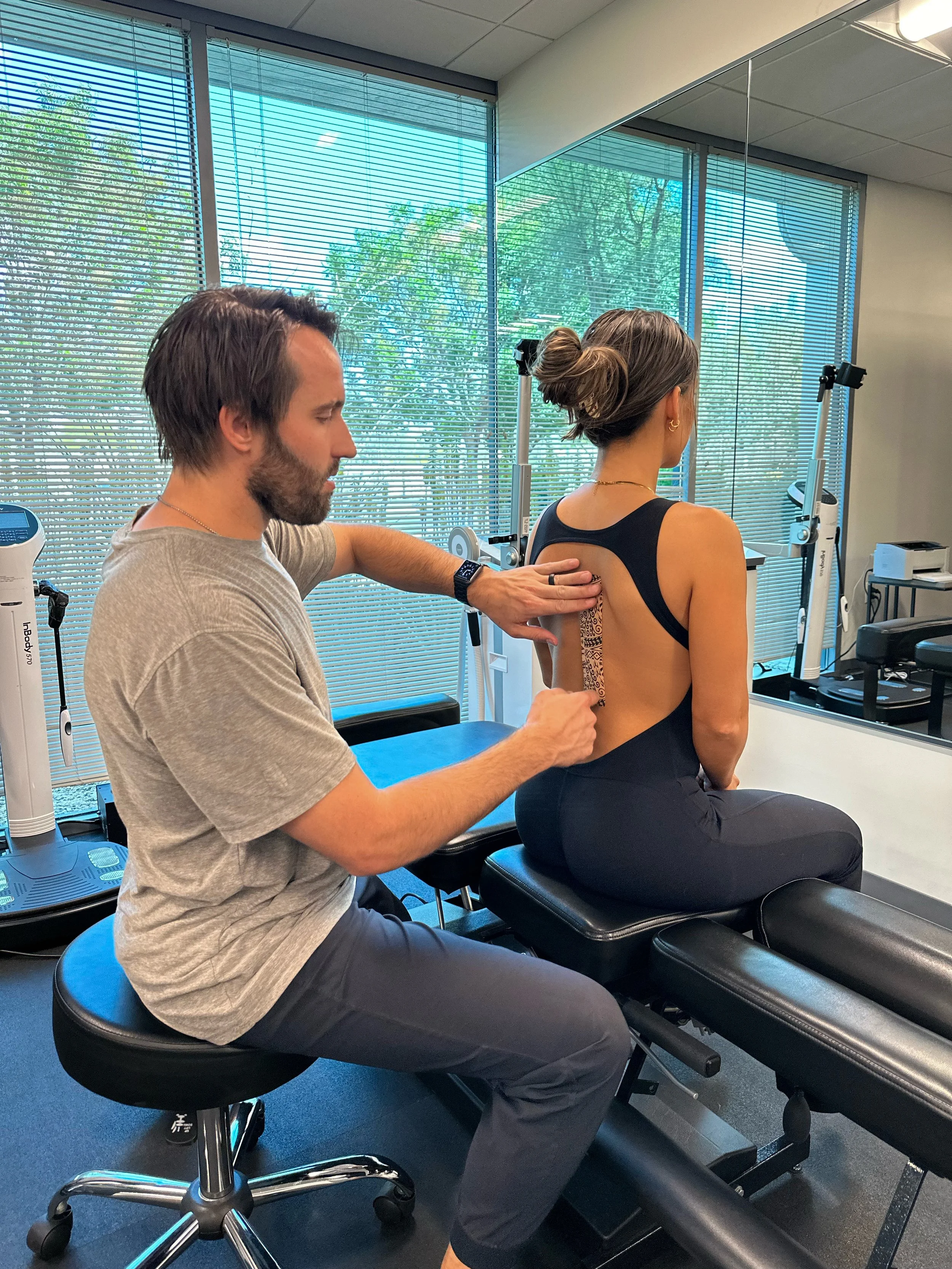
When pain, injury, or muscle dysfunction affects the way you move, kinesiotaping can be a simple and effective way to provide additional support during the recovery process. Kinesiotape is an elastic therapeutic tape that can be applied to specific areas of the body to provide support while allowing for a full range of motion.
At Body Check Chiropractic, Dr. Matt Tanneberg uses kinesiotaping as part of a personalized treatment approach for patients experiencing muscle strains, joint discomfort, sports injuries, and other musculoskeletal conditions.
Unlike traditional athletic tape, kinesiotape is designed to move with the body rather than restricting movement. It can be incorporated into a broader treatment plan alongside chiropractic adjustments, myofascial release, sports therapy, K-Laser Therapy, ARPwave Neuromuscular Therapy, StemWave Shockwave Therapy, PEMF, and other recovery treatments.
How Kinesiotaping Works
Kinesiotape is made from a flexible, elastic material that can stretch and move with the body. When applied using specific techniques, the tape can provide targeted support to muscles and joints while allowing normal movement.
Depending on the area being treated and your individual condition, kinesiotape may be applied to muscles, tendons, joints, or other areas affected by pain or movement dysfunction.
The tape may help provide sensory feedback to the body, support movement patterns, and reduce the feeling of discomfort during activity.
Kinesiotaping is non-invasive and does not involve injections or medication. Dr. Matt determines the appropriate taping technique based on your symptoms, activity level, injury, and treatment goals.
What Can Kinesiotaping Help With?
Kinesiotaping may be incorporated into care for a variety of musculoskeletal conditions, including:
Muscle strains
Sports injuries
Joint discomfort
Tendonitis and tendinopathy
Shoulder pain
Knee pain
Back pain
Neck pain
Certain overuse injuries
Muscle fatigue and weakness
Movement-related discomfort
Support during athletic activity
Recovery following physical activity
The appropriate use of kinesiotape depends on the individual condition, the underlying cause of symptoms, and the goals of treatment.
Benefits of Kinesiotaping
Kinesiotaping may provide several benefits when incorporated into a comprehensive treatment plan:
Additional Support — Kinesiotape can provide targeted support to muscles and joints while still allowing for normal movement.
Movement Assistance — Properly applied tape may provide sensory feedback that can help patients become more aware of movement and positioning.
Pain Management — Kinesiotaping may help reduce the perception of discomfort for some patients, particularly during movement or physical activity.
Improved Confidence During Activity — Additional support can help some patients feel more comfortable returning to exercise, sports, or everyday activities.
Non-Invasive Treatment — Kinesiotaping requires no injections, medication, or surgical procedures.
Extended Support Between Visits — Depending on the application and individual response, kinesiotape can remain in place between treatment sessions, providing continued support during daily activities.
Kinesiotaping for Sports & Injury Recovery
Athletes and active individuals often want to continue moving while recovering from an injury. Kinesiotaping can be incorporated into a comprehensive sports therapy program to provide additional support during the recovery process.
Depending on your condition, kinesiotaping may be used alongside myofascial release, chiropractic adjustments, K-Laser Therapy, ARPwave Neuromuscular Therapy, StemWave Shockwave Therapy, PEMF, or other therapies.
The goal isn't simply to tape the area that hurts. Dr. Matt looks at how the injured area is functioning and how it relates to the rest of your movement system.
Kinesiotape can then be used as one component of a broader plan designed to help you move comfortably, maintain activity, and work toward returning to the activities you enjoy.
Kinesiotaping for Muscle & Joint Support
Muscle imbalances, repetitive movements, and previous injuries can sometimes affect the way your body moves. Kinesiotaping can provide an additional layer of support while you work on improving strength, mobility, and movement mechanics.
For some patients, tape may be particularly useful during exercise or activities that tend to aggravate symptoms.
Because kinesiotape does not rigidly restrict movement, it can often be incorporated into active rehabilitation and exercise-based treatment.
Personalized Kinesiotaping Treatment
Every patient and injury is different. Dr. Matt evaluates your symptoms, injury history, movement patterns, activity level, and goals before determining whether kinesiotaping may be appropriate for you.
The placement, direction, tension, and technique used for the tape can vary depending on the area being treated and the desired therapeutic effect.
Because Body Check Chiropractic offers multiple treatment options, kinesiotaping doesn't have to be used as a stand-alone therapy. It can be combined with chiropractic care, soft tissue therapy, sports therapy, and other recovery technologies based on what your body needs.
At Body Check Chiropractic, you work directly with Dr. Matt at every visit, providing consistent one-on-one care throughout your treatment.
When Kinesiotaping May Be Appropriate
Kinesiotaping isn't right for every condition or every patient. Dr. Matt will evaluate your symptoms and determine whether kinesiotaping is an appropriate option as part of your care.
If you're looking for Kinesiotaping Therapy in Scottsdale, Body Check Chiropractic offers personalized treatment designed to provide additional support, improve movement, and help you stay active while addressing the underlying factors contributing to your symptoms.